
Share This Story
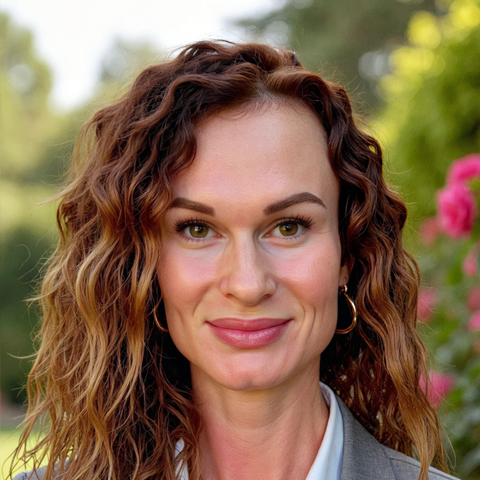
Lavender NP Melissa Mecka explains what happens in a first psychiatric appointment, what to prepare, and why you don’t need all the answers before you arrive.

Clinically reviewed by
Melissa Mecka, MSN, PMHNP-BC
Psychiatric Nurse Practitioner at Lavender
Sometimes the hardest part of seeking support is taking the first step: opening the booking page, wondering if you’ll know what to say, and deciding whether to give it a try.
What if I freeze? What if I cry? What if my problems aren’t serious enough? What if it doesn’t work out (again)?
Melissa Mecka, a psychiatric nurse practitioner at Lavender, has talked with many people in that same place: ready for support, but unsure what to expect. We asked her what people should know before a first appointment.
Her short version: you can show up exactly as you are.
“You can do as little or as much as you want,” she says. “You can show up exactly where you are and exactly how you’re feeling, or you can choose to write down thoughts, goals, questions, or you can simply just join the appointment. We’re here to guide you.”
What to Expect in your First Appointment
At Lavender, your first appointment is a 60-minute virtual evaluation. You’ll meet your psychiatric NP online, and talk through what’s been going on, what symptoms you’ve noticed, your mental health and medical history, and what you’re hoping might change.
“The idea of that first visit is to get to know you,” Melissa says. “And for you to get to know your provider, ask any questions, and for us to really take a deep dive into your mental health. Sometimes we can accomplish that in the initial evaluation. Sometimes it might take a few appointments.”
That first conversation helps you and your NP determine whether Lavender is the right fit and the care you need. If that’s the case, you’ll leave with clear next steps. That might mean a treatment plan, medication when clinically appropriate, or gathering more information through questionnaires, records, or labs.
By the end, the goal is simple: you should feel comfortable, heard, and cared for.
Psychiatric Nurse Practitioners, Explained
For many, “nurse practitioner” sounds like primary care, so the psychiatric NP role is worth explaining.
Psychiatric nurse practitioners complete advanced clinical training with a specialty in psychiatry. Depending on state rules and clinical needs, they may diagnose, prescribe medication, order labs, provide therapeutic support, and coordinate care.
“We are nurses first, and then psychiatric advanced practice nurses,” Melissa says.
That training means looking at the whole picture. Mental health symptoms, and the broader factors that can contribute to them: fatigue that may be tied to low iron, anxiety symptoms that warrant a thyroid check, or postpartum concerns that benefit from coordination with an OB.
And if you already have a therapist you trust, you don’t have to start over. For some people, Lavender’s care can focus on psychiatric evaluation and medication management while therapy continues elsewhere.
Common Worries Before a First Appointment
There are lots of reasons people put off seeking support, and Melissa has heard most of them.
“What if I’m judged?”
Melissa names this as the big one: not being seen or heard, or worrying you may feel judged. She reminds us that the NP’s focus is understanding what you’re experiencing, what you’ve already tried, and what kind of support will help you feel more like yourself.
“What if I get emotional?”
Crying or getting emotional is common. “It’s not a weakness,” Melissa says. “Being vulnerable and open, and sharing your true authentic self, can actually help your NP better understand what you’re carrying.”
“What if I’m not ready to talk about everything?”
You do not have to share every detail on day one. If there are experiences you are not ready to talk about, you can say that. Your NP can still help you start with what feels manageable today.
“I’ve tried this before and it didn’t work.”
That matters, and it belongs in the conversation. Sometimes the timing was wrong. Sometimes the fit was wrong. Sometimes the plan needs more information or a different approach. If the fit is not right, Lavender can help with internal transfers or referrals for a different level or type of support.
“Will I be on medication forever?”
It depends (which, we know, is a frustrating answer). Some people benefit from longer-term medication. Others may eventually taper with clinical guidance. What your NP will not give you is a blanket promise: “you’ll be on this forever,” or “you’ll be better in two weeks.”
“Is what I share private?”
What you share with your NP is confidential. Your information generally won’t be shared outside your care team without your permission, except in limited circumstances where disclosure is required by law, including any situations involving immediate safety concerns.
What Happens After the First Appointment?
After the first appointment, the next step may look different for each person. You might start or adjust medication, gather more information, book a follow-up, or take time to decide what feels right.
If medication is part of the plan, your NP will talk through what to expect. Some medications take several weeks to show their full effect, while others work differently.
It often takes more than one appointment to start to feel a change. At Lavender, we talk about Five to Thrive: the idea that meaningful progress may take up to five appointments as you and your provider learn what needs to shift.
If you’re thinking about booking, you don’t need to arrive with the perfect explanation. Bring the notes app list, the half-formed thought, or just the sense that something needs to change. Your Lavender NP can help you start there.

All content and information on this website are for informational purposes only. None of the material is intended to be a substitute for professional medical advice, diagnosis, or treatment. This information does not create any client-provider relationship. Please consult with your mental health care provider before making any health care decisions or for guidance about a specific medical condition.